
While the “Golden Route” connecting Tokyo and Osaka is widely known among domestic and international tourists, there is actually another journey brimming with jewel-like charm. That is the “Crystal Route,” which stretches from the Pacific Ocean to the Sea of Japan.
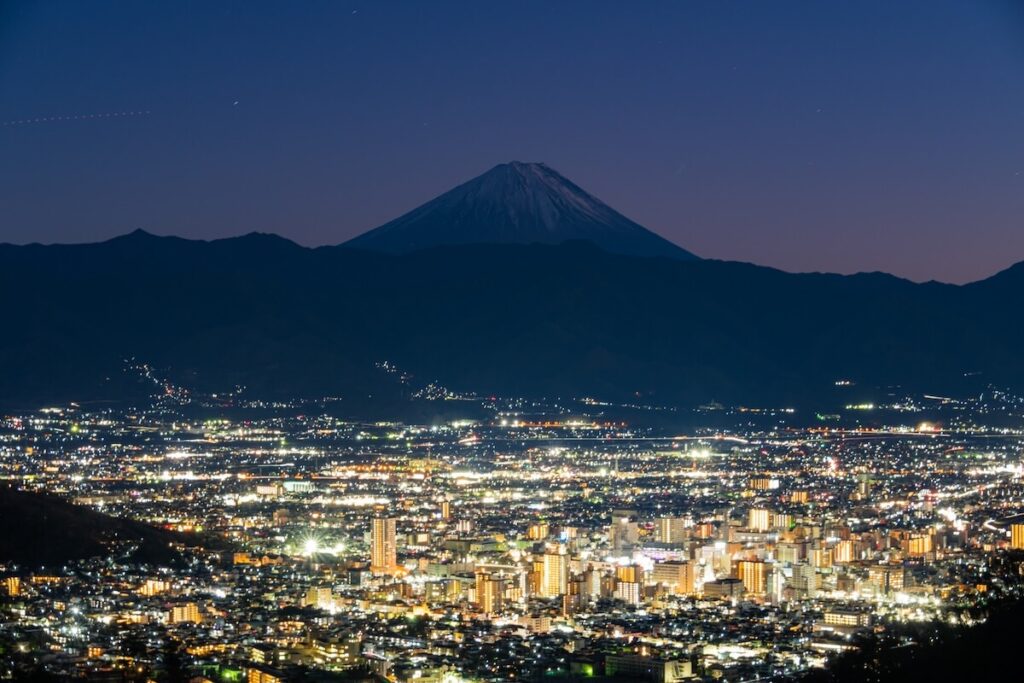
Departing from Tokyo, the route takes you to the Kofu Basin while offering views of the majestic Mount Fuji. Crossing the mountain ranges to reach the Sea of Japan, the heart of this route lies in the Kōshū region of Yamanashi.
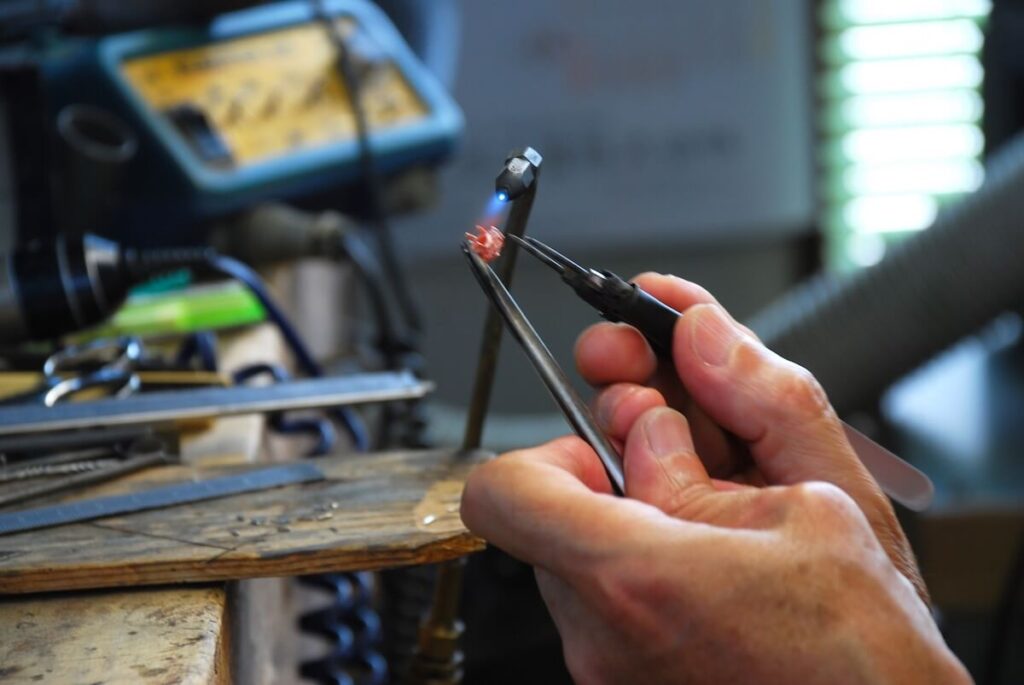
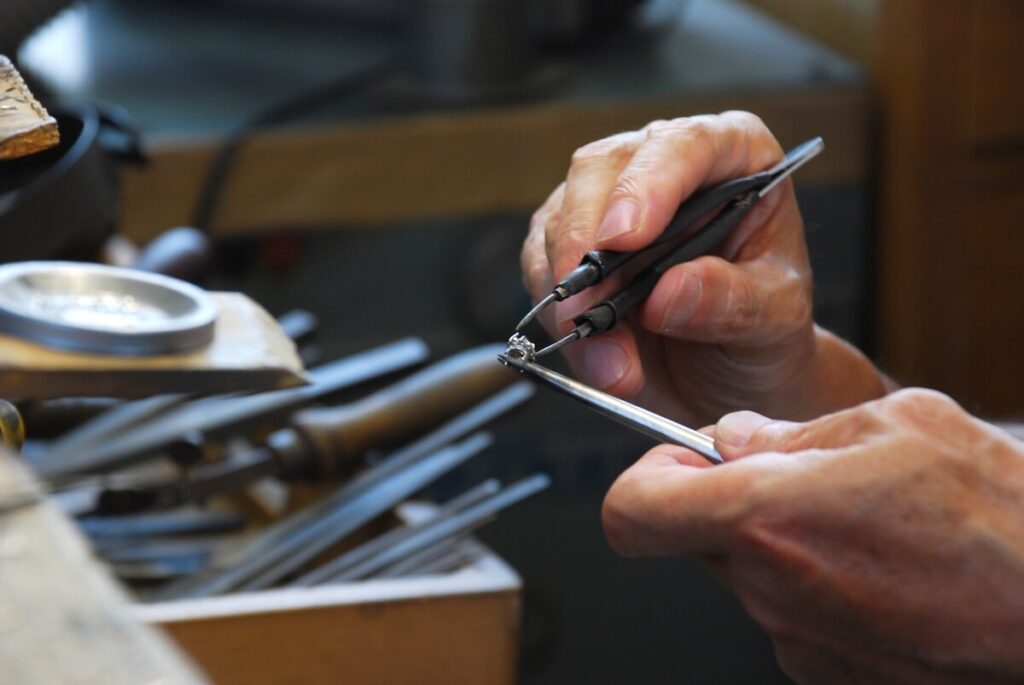
Koshu (present-day Yamanashi Prefecture and the surrounding Kofu Basin) has long been a land where high-clarity quartz crystals have been mined for centuries. A visit to the Shosenkyo Gorge allows you to experience the history of the quartz crystals once extracted from this land. Alongside the production of quartz, the art of “jewelry craftsmanship” has been refined over time. Koshu’s crystal processing techniques are a traditional craft dating back to the Edo period. In Kofu, where these techniques still thrive today, artisans continue to create world-class jewelry as the nation’s largest jewelry production hub.
The Crystal Route, which allows you to experience the charm of Kofu, is a hidden gem of a tourist course that reveals Japan’s lesser-known beauty.
Here, we’ll also introduce the charms of other famous tourist routes! By reading this article, you’re sure to discover the Japan you’ve been wanting to see!
Translated with DeepL.com (free version)
この記事の目次
Golden Route
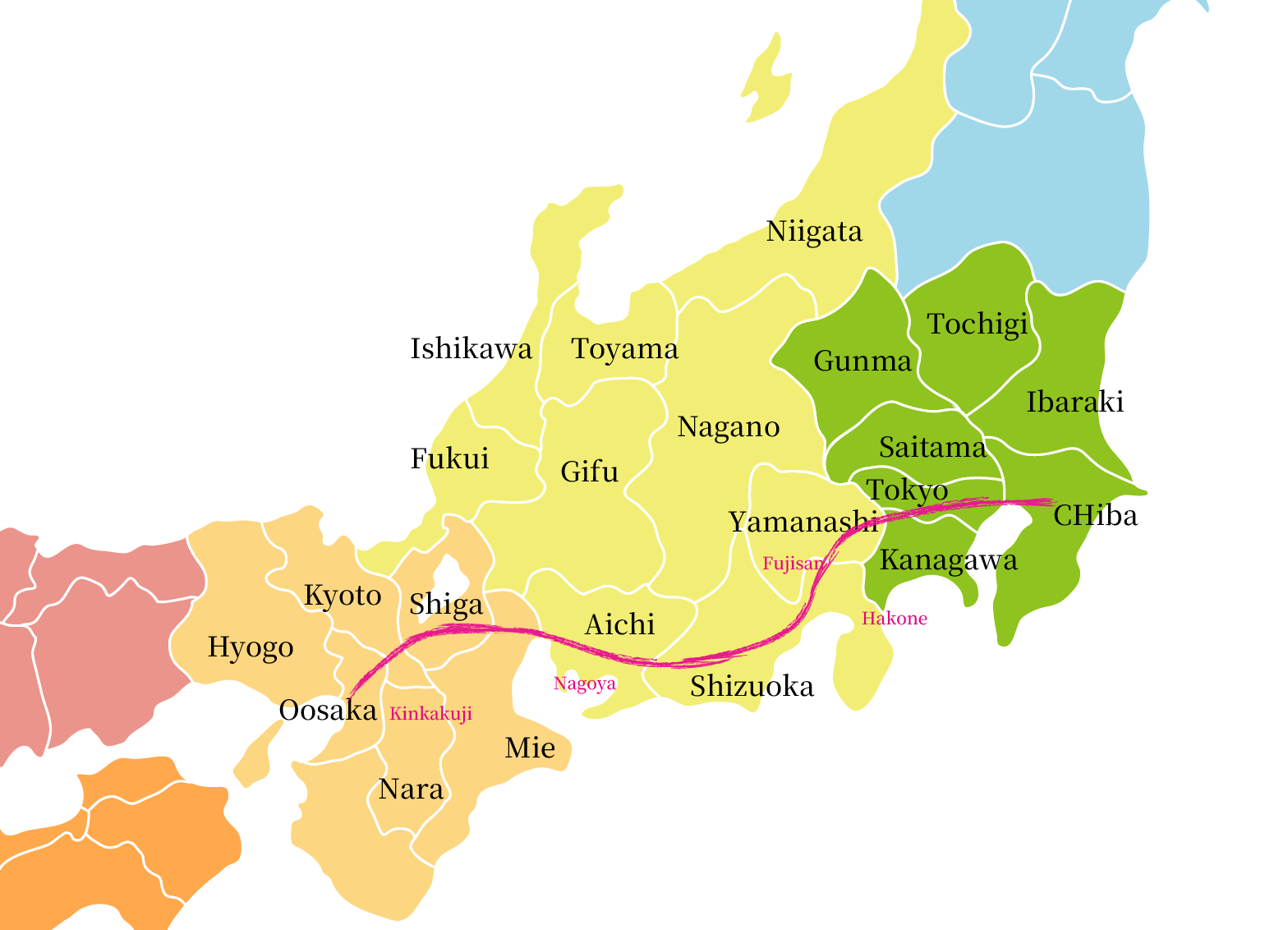
A traditional and popular route is the so-called Golden Course, which takes you from Tokyo to Hakone, around Mt. Fuji, Nagoya, Kyoto, and Osaka. It offers an efficient tour of Japan’s most popular cities and landscapes.
ルートの詳細 Route Details
Fuji is generally reached by arriving at Narita Airport (NRT) or Haneda Airport (HND) and traveling westward by train, Shinkansen bullet train, or bus. Fuji, visitors generally take the JR Chuo Line from Shinjuku to Otsuki, then the Fujikyuko Line from Otsuki to Kawaguchiko, and then take a bus from Kawaguchiko Station or Fujikyu Highland to Mishima or Shin-Fuji Station, and from there take the Shinkansen to Nagoya Station.
Return trips are generally made from Kansai International Airport (KIX).
Tourist Attractions
- Tokyo: Japanese pop culture such as anime and manga, history and culture such as Asakusa and Sensoji, and Japanese cuisine such as ramen, monjayaki, sushi, and tempura.
- Hakone: Visitors can enjoy one of Japan’s most famous hot spring resorts.
- Fujisan: You can enjoy the culture of Mt. Fuji, a symbol of Japan and a World Heritage Site, and its surroundings. Fuji and its surrounding culture. You can take a sightseeing bus up to the fifth station, from where the view is spectacular.
- Nagoya: Visitors can enjoy historical heritage sites such as Nagoya Castle and Inuyama Castle.
- Kyoto: Temples, shrines, and gardens typical of Japan such as Kinkakuji Temple, Ginkakuji Temple, and Kiyomizu Temple.
- Osaka: Osaka Castle, Dotonbori, Universal Studios Japan, and other gourmet and entertainment attractions.
But now, more and more people are visiting the Japanese Alps, Hokuriku, Hiroshima, Kyushu, and Hokkaido without going the standard route, not only in the case of second-time visitors, but also on their first visit to Japan, so I will introduce that too!
Hokuriku Route
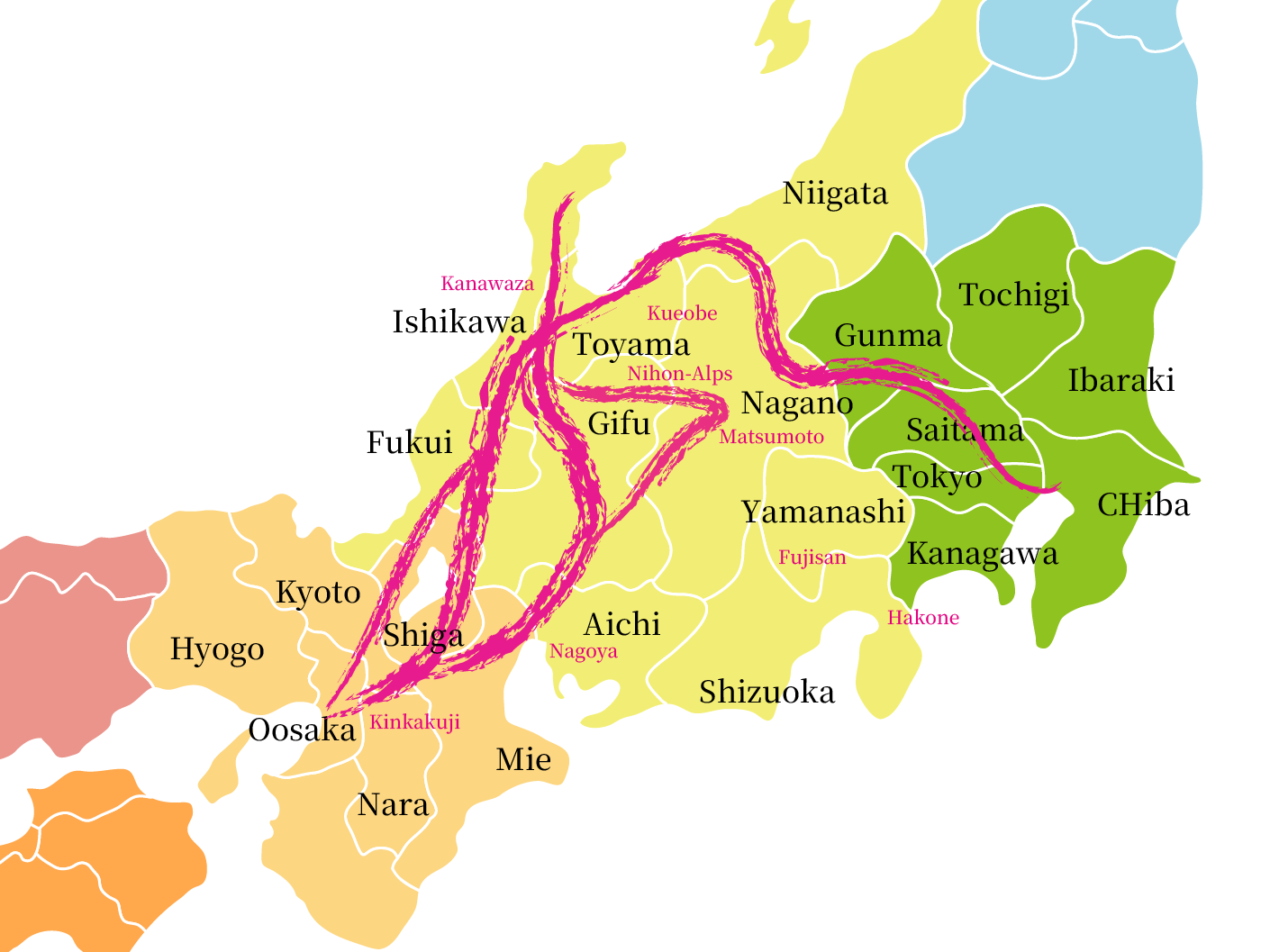
With the extension of the Hokuriku Shinkansen line in 2015, it became easier to get to Kanazawa from Tokyo, and more and more tourist travelers are taking the route through the back side of Japan via Hokuriku to Osaka.
This route is also known as the “New Golden Route. It is a route that allows visitors to experience the charms of Japan, such as ancient Japanese culture and architecture, and food culture that relies on the bounty of the Sea of Japan.
Route Details
It takes about 2.5 hours from Tokyo to Kanazawa on the Hokuriku Shinkansen Line. After sightseeing in Ishikawa, Toyama, and Fukui, take the Thunderbird or Shirasagi limited express trains to Nagoya, Kyoto, or Osaka.
On the other hand,, the route that runs north from Aichi Prefecture to Gifu, Toyama, Ishikawa, Nagano(Matsumoto、Kamikochi) Prefectures was named the Dragon Route because of its undulating shape and the Noto Peninsula, which resembles the head of a dragon. The route is popular among Chinese, Taiwanese, and other tourists who value dragons and good fortune.
Tourist Attractions
Kanazawa: Kanazawa was a castle town of the Kaga clan known as “Kaga Hyakumangoku” in the Edo period (1603-1868). The city still retains the atmosphere and craftsmanship of the Edo period in its townscape, buildings, and crafts. Kenrokuen Garden and Kanazawa Castle are popular. Kanazawa is also a gourmet spot with an abundance of fresh seafood, such as nodoguro (northern bluefin tuna), also known as “white tuna,” and kano-gani (snow crab), a representative winter delicacy of Kanazawa, as well as sweet shrimp.
Tateyama Kurobe Alpine Route (Toyama): The Northern Alps are the most rugged and beautiful of the Japanese Alps. The Tateyama Kurobe Alpine Route is a mountain sightseeing route that brings the Kurobe Dam, Murodo, and other 3,000-meter-high mountains within easy reach. It has long been a famous sightseeing course in Japan, but recently the number of foreign tourists has been increasing.
Onsen: As if benefiting from such topographical dynamism, Toyama and Kanazawa are home to many famous hot springs, including Kaga Onsen-kyo (Kanazawa), Yamashiro Onsen (Kanazawa), Katayamazu Onsen (Kanazawa), and Unazuki Onsen (Toyama).
The Hokuriku route offers quick access to Hokuriku from Tokyo and is becoming increasingly popular among travelers who want to avoid the crowds at the standard spots and quietly enjoy the “good old days” that are typical of Japan.
However, the aforementioned Hokuriku Shinkansen route is convenient to go all the way to Hokuriku at once, but it does not stop at Mt.Fuji.
So, next, I’d like to introduce the “Crystal Route (Mt. Fuji–Hokuriku Route),” which takes you from Tokyo through Yamanashi (Kōshū, the area around the present-day Kōfu Basin) to see Mt. Fuji, then on through Nagano (Shinshū) to the Hokuriku region!
Kofu City in Yamanashi Prefecture is famous as Japan’s largest jewelry-producing region. This is because high-quality, highly transparent quartz has been mined there for many years. The history of quartz utilization dates back very far; it is known that quartz arrowheads were already being made in the Kofu region during the Jomon period, between 5,000 and 3,000 years ago. Furthermore, the quartz processing techniques of Koshu have been designated by the national government as a traditional craft dating back to the Edo period. These quartz processing techniques have shaped the jewelry craftsmanship of modern-day Kofu. Here is a route for exploring Kofu City.
Mt. Fuji–Sea of Japan Route: “Crystal Route”—Explore Mt. Fuji, Koshu, and the Hokuriku Region!
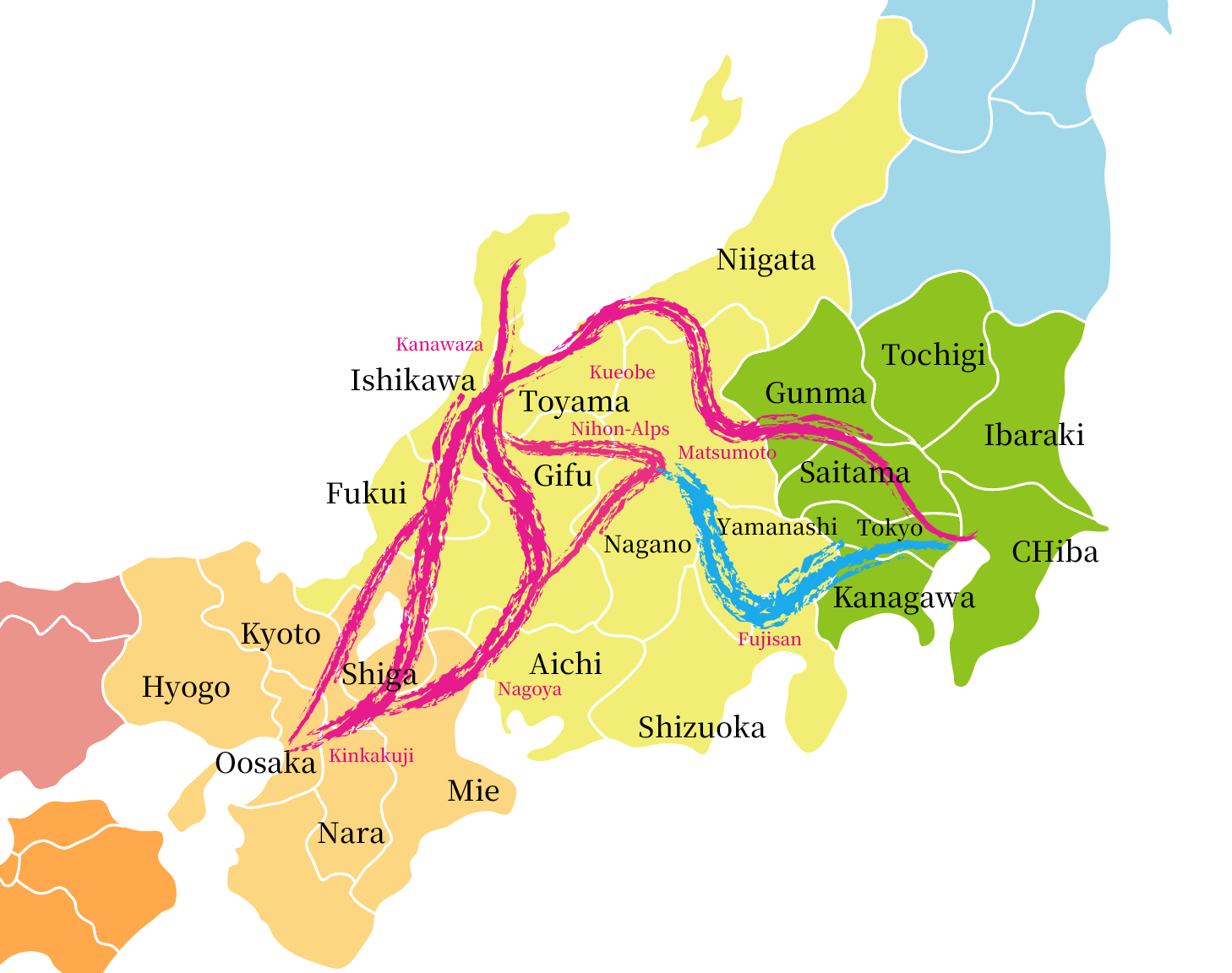
The “Crystal Route” is a route connecting Mount Fuji to the Sea of Japan. It connects Mount Fuji, Koshu, and the Hokuriku region, passing through Mount Fuji, the Yamanashi Linear Chuo Shinkansen Station (scheduled for completion in 2031), Kofu (a city of jewelry and ornaments), Matsumoto (Matsumoto Castle), and the Hokuriku region, offering a course where you can fully appreciate Japan’s refined traditional culture, craftsmanship, and architecture. It is a north-south route connecting Mount Fuji and the Sea of Japan.
The attractions of the Kofu Basin are summarized here.
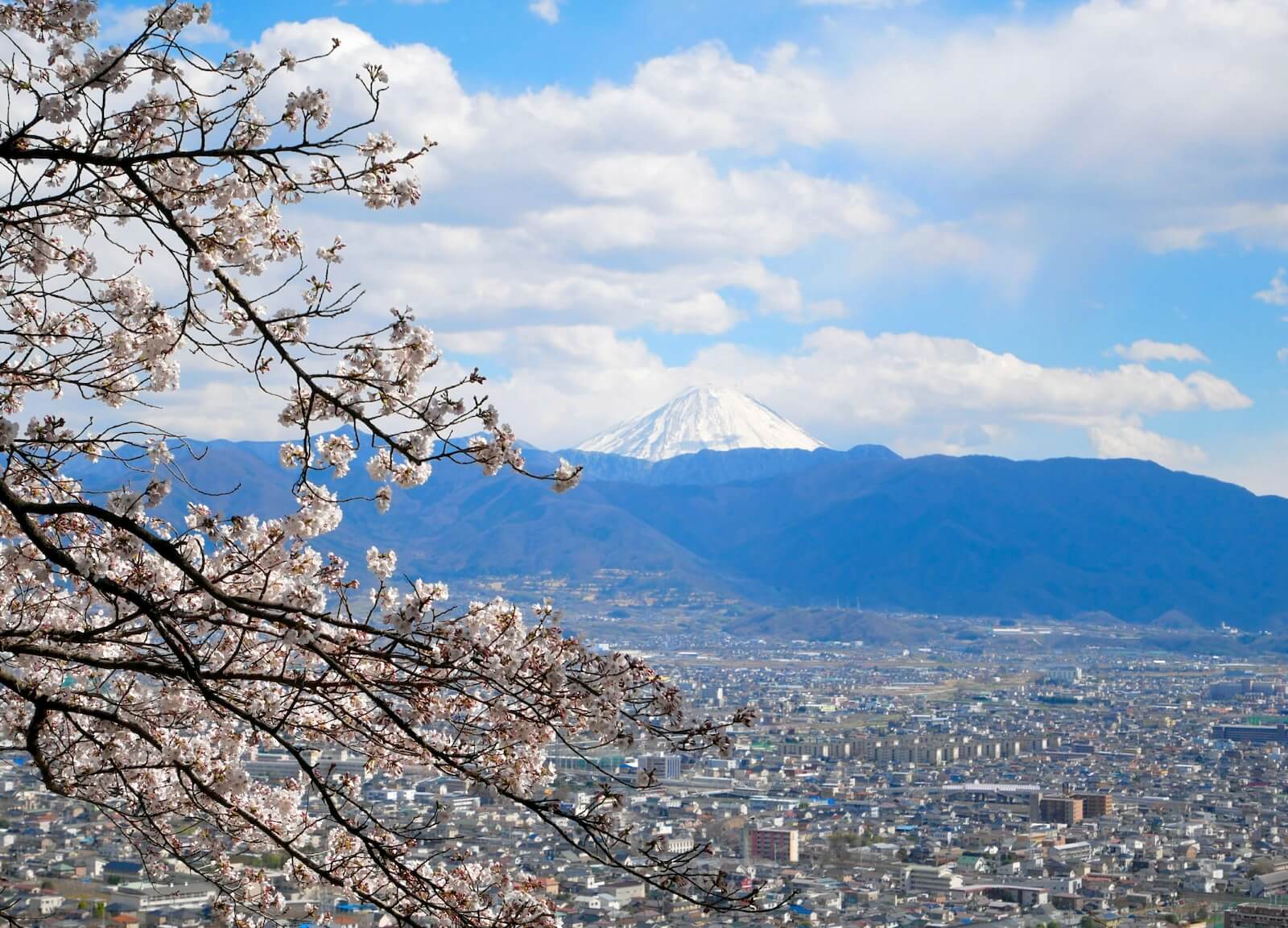
↑Let’s make the Kofu Basin a geopark! Introducing its geological “attractions”
The Crystal City, Kofu (Koshu)- Kofu Basin
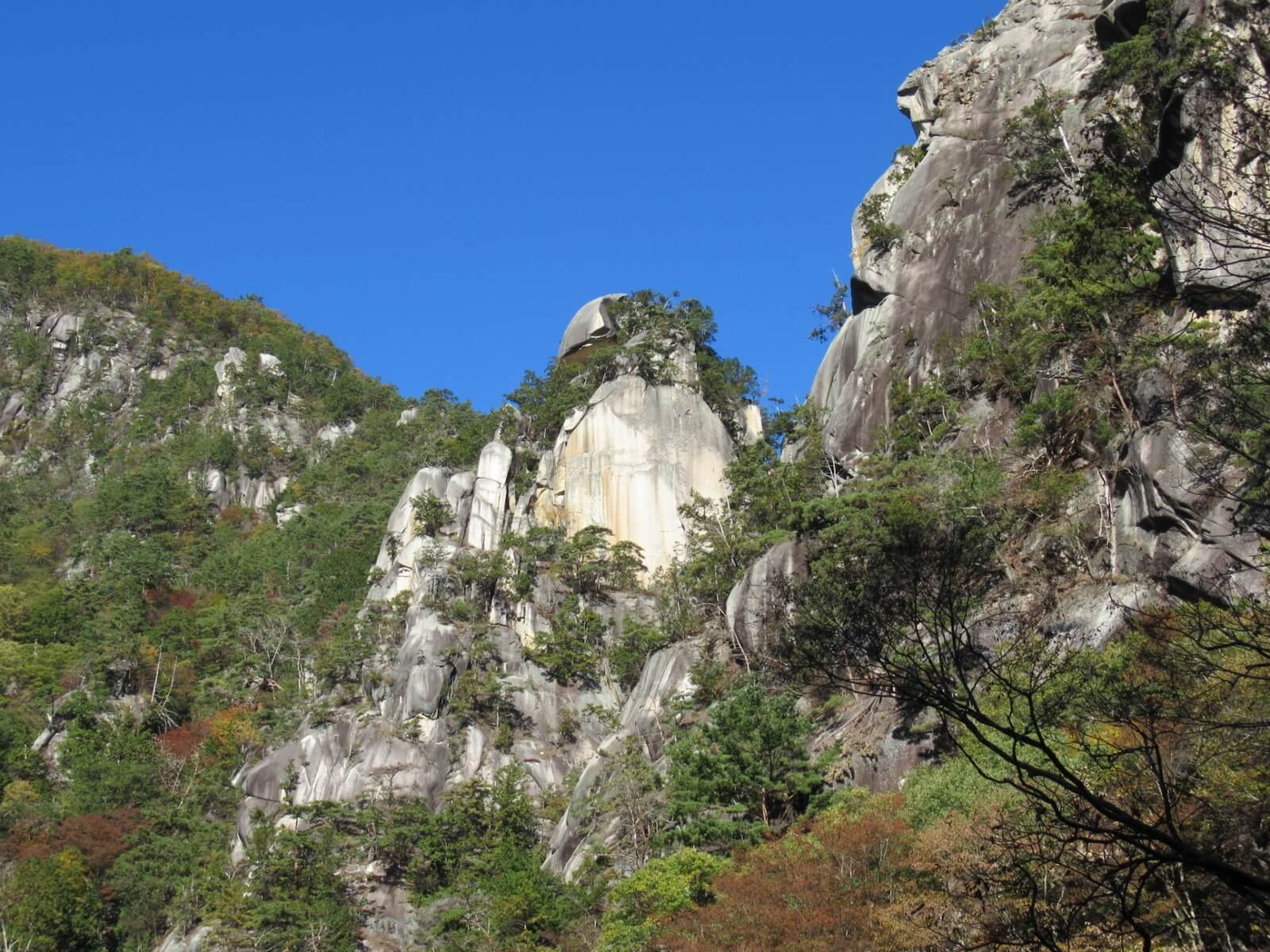
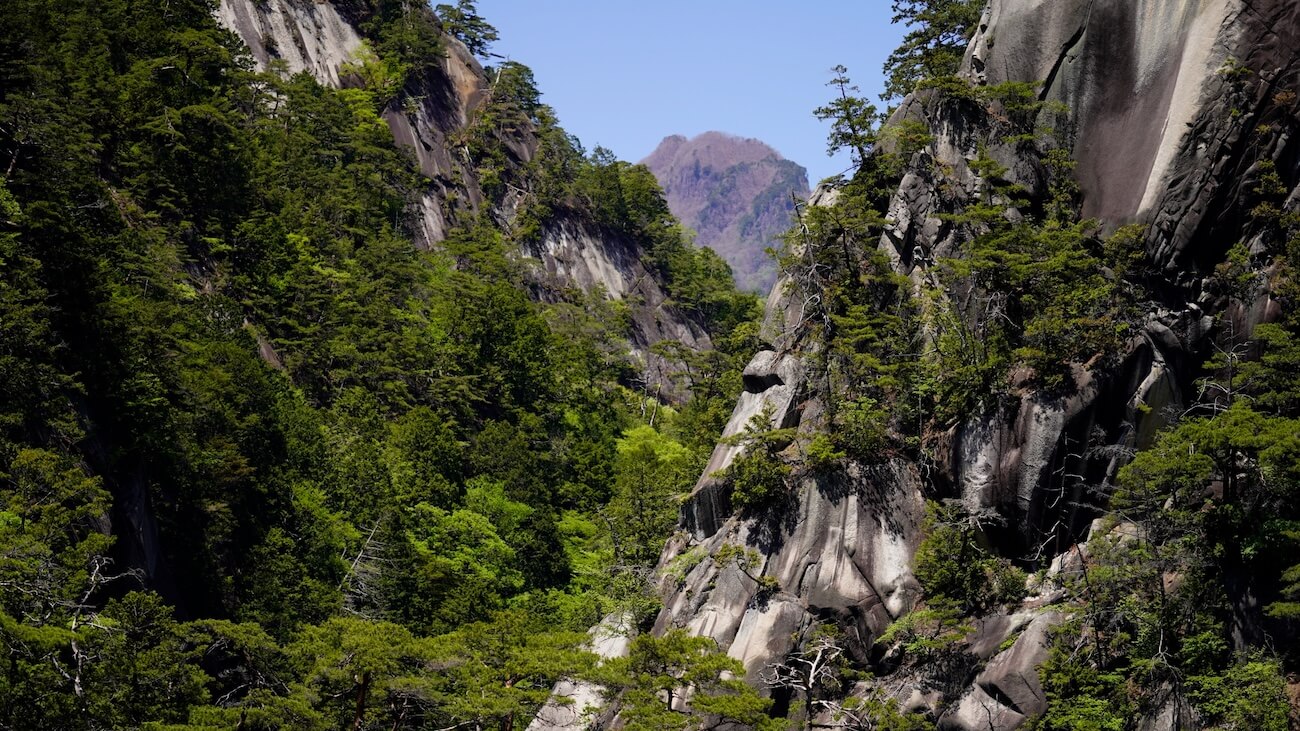
Within Koshu (present-day Yamanashi Prefecture and the surrounding Kofu Basin), the mountainous region centered around Shosenkyo Gorge has long been famous as a major crystal production area, with multiple mines yielding highly transparent crystals over many years (mining is now prohibited).
Visiting Shosenkyo allows you to encounter the history of the crystals once mined from this land.
Alongside the production of high-quality crystal, the art of “jewelry craftsmanship” was refined.
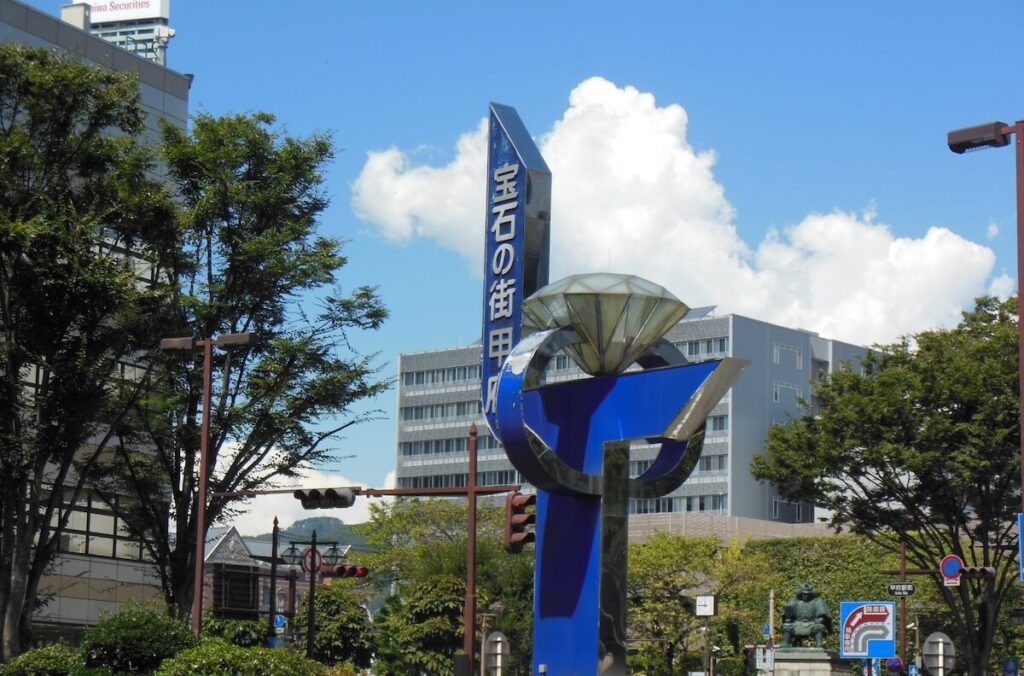
The crystal processing techniques rooted in Koshu have been designated as a Traditional Craft by the Minister of Economy, Trade and Industry, continuing a tradition dating back to before the Edo period. Kofu, where these skills still thrive, is Japan’s largest jewelry production center. The artisans’ exquisite techniques continue to produce jewelry that is world-renowned. → Kofu Jewelry Map (PDF: 71,852KB)
Jomon Period Trading Hub
Incidentally, the road from Kofu to Suwa (a city slightly on the Tokyo side from Matsumoto) on this course is registered as a Japan Heritage Site as “The Jomon World of the Starry Central Highlands”, and many human ruins of Life remains from thousands of years ago have been excavated in the area.
Thousands of years ago, this was the hunting and gathering period known as the Jomon Period in Japan, and this area (Wadatoge, Nagano Prefecture) was an important center of trade from that time onward, as it produced abundant obsidian, a resource essential for hunting in that era.
This route is also a great way to experience the romance of an ancient road while thinking back to the hunting and gathering era in Japan.
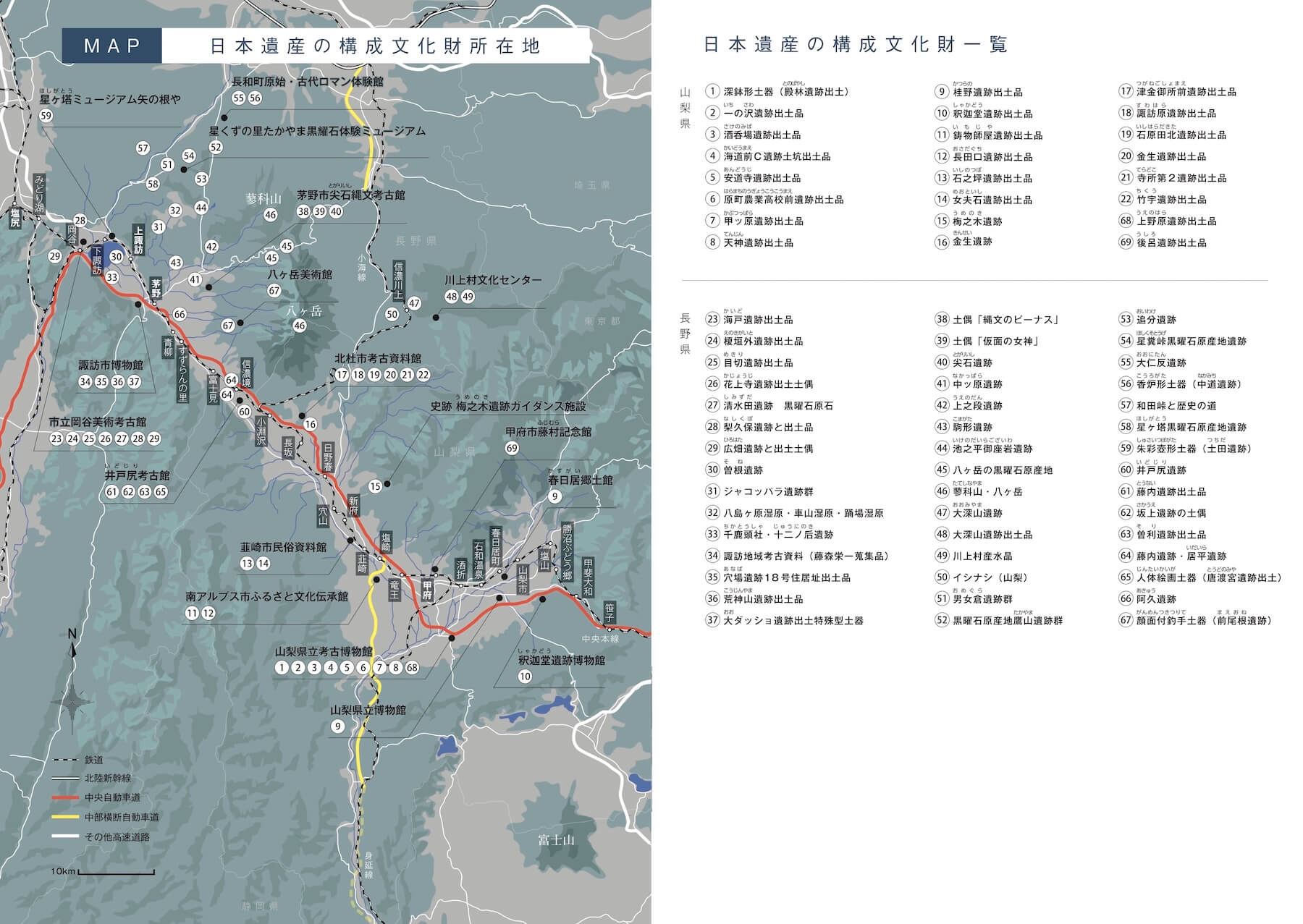
Incidentally, obsidian is said to be natural glass produced by volcanic activity, and is formed when magma is rapidly cooled. The Fossa Magna, a huge rift valley that divides the Japanese archipelago from east to west, is a zone of active volcanic activity and tectonic movement, and runs through Yamanashi and Nagano.
This means that high-quality obsidian was produced around this Fossa Magna. The Fossa Magna was discovered by the German geologist Dr. Edmund Naumann, and the naming of the Naumann elephant and the discovery of the fossil were named after him.
This road is also part of the “Road of Salt. This road carries salt from the Sea of Japan to Matsumoto in Shinshu. There is an anecdote that during the Warring States Period, when Kenshin Uesugi learned that Shingen Takeda was suffering from a salt shortage, he sent salt to Takeda out of a sense of duty, which was also made possible by the salt road. This anecdote gave birth to the Japanese metaphor “send salt to the enemy,” which means not to take advantage of an enemy’s weakness when he is in distress, but rather to help him in his plight.